Showing posts with label Natural Remedies. Show all posts

Wednesday, July 25, 2012

Natural Remedies: Cinnamon Essential Oil

Let's tackle Cinnamon Oil next! I have to admit, I was avoiding this one because I figured it couldn't "be that great." Oops! Let me rethink this.  I am now itching to purchase this oil! I was thrilled when I began reading what it can do! Before I go any further, however, this is another one of those oils that it is important to not use it while you are pregnant.  With that taken care of  -- what is Cinnamon Oil? 
  • Antibacterial
  • Antifungal
  • Antiseptic
  • Antiviral 
It can also aid in....
  • Infections
  • Memory and Concentration
  • Pain Relief
  • Respiratory Problems
  • Skin Care
  • Stopping Bleeding
  •  ....and guess what? Much more!

Photo Courtesy

Now...I could go through and try to recap everything I have read, but I can't think of a really good way to do that, and I found a couple of websites for Cinnamon Oil that I found to be really concise and full of information.  When I pass these on to you, please note that I am only recommending the health-benefit side.  Unfortunately, many of the natural remedy scholars and "believers" (for lack of a better word) are also into things such as "spiritual healing and cleansing." I do not believe in this at all, and believe it is wrong.  That said, one of these websites does have some of that "information" in it...so please do not read that and think I am passing it on as fact.  It is not.  But, the information they have regarding Cinnamon Oil's physical health benefits are excellent!

The Health Benefits of Cinnamon

Health Benefits of Cinnamon Oil

Photo Courtesy

PLEASE NOTE: These are only natural home remedies that no professional has reviewed or written.  This is not to take the place of professional medical advice, it is merely to aid you at home.  If you are concerned, it is best to call your doctor and follow instructions given by him/her.

Also, please pay particular attention during use of essential oils in regards to which oils are safe for pregnant women and children.  There are many that should not be used, although some are perfectly safe.  For other important information, please see my May 9th, 2012, post titled "Natural Remedies: Essential Oils."

Wednesday, July 18, 2012

Natural Remedies: Orange Blossom Essential Oil

Have you ever smelled Orange Blossoms?  They smell simply delicious! And so does this oil.  But it is also very useful - besides smelling "pretty."  So what are the uses and benefits of Orange Blossom Oil (also known as Neroli Oil)? 
  • Acne
  • Antibacterial
  • Anti-depressive
  • Antiseptic
  • Anxiety
  • Hypertension
  • Insomnia
  • Scarring
  • Skin Care
  • Stretch Marks
  •  ....and guess what? Much more!

Photo Courtesy
 Due to the cost and power of this essential oil, it is advised that you use a 50:50 dilution of Orange Blossom Essential Oil.  Jojoba oil is a very good mixture, or you can use olive oil.  A few uses for it are these:
  • Massage 2-3 drops of the 50:50 dilution containing Orange Blossom Essential Oil on to scars or stretch marks.  With continued use, it will often diminish (and sometimes even eliminate) the blemishes.  It is not always effective, but it has a pretty high rate of success.
  • One thing I have heard is that Neroli Oil decreases hypertension (high blood pressure) and aids in circulation problems.  What I have not discovered is how to use it effectively for that! Any ideas anyone?  I do not have any of those problems in our family so it is not something extremely important for me to find out right now...but I would like to know for the future!
  • Rub a small amount of rosemary oil on skin in order to help with dry, irritated, and sensitive skin.  It helps! This will also work for acne.
There are many other uses, but this will give you a start point if you wish to use Orange Blossom (Neroli) Essential Oil.  It is an expensive oil, but it is also delightful!

Photo Courtesy


PLEASE NOTE: These are only natural home remedies that no professional has reviewed or written.  This is not to take the place of professional medical advice, it is merely to aid you at home.  If you are concerned, it is best to call your doctor and follow instructions given by him/her.

Also, please pay particular attention during use of essential oils in regards to which oils are safe for pregnant women and children.  There are many that should not be used, although some are perfectly safe.  For other important information, please see my May 9th, 2012, post titled "Natural Remedies: Essential Oils."

Wednesday, July 11, 2012

Natural Remedies: Sandalwood Essential Oil

This week's oil is Sandalwood Essential Oil!  So let's jump right in and discover a few of the uses for Sandalwood Oil:
  • Antidepressant
  • Anti-tumoral
  • Antiseptic
  • Antiviral 
  • Dry, Persistent Coughs
  • Hemarrhoids
  • Insomnia
  • Skin Conditions
  • Throat Irritations
  •  ....and guess what? Much more!

Photo Courtesy

 Sandalwood is a very expensive oil, so it is best to ALWAYS dilute it at least 50:50 with either jojoba oil or olive oil (or something similar).  Some of the uses include these:
  • Massage drops of diluted sandalwood oil on dry, chapped skin to increase skin health.
  • Use to clean with as an antiviral/antibacterial substance. (While you CAN do this, there are other much cheaper oils that work just as well, so I am not sure I recommend this use!)
  • Massage 2-3 drops of diluted sandalwood oil on to acne to improve skin health and diminish (or eliminate) the acne problem.
  • Inhale the scent to reduce stress and reduce depression.  This may also possibly increase concentration and focus.
  • Rub a few drops of diluted sandalwood oil on the chest to reduce dry, irritated coughs.
  • Use sandalwood in a massage blend to reduce the ache of cramps and other muscle pain.

Photo Courtesy
There are many other uses for Sandalwood, but as I am not very familiar with all the uses of Sandalwood oil, I hope this is just enough to wet your appetite for more.  If you know anything about sandalwood oil please feel free to post as I would love to hear your knowledge! (And please feel free to post your thoughts on any of these posts - we love to hear from you!)

PLEASE NOTE: These are only natural home remedies that no professional has reviewed or written.  This is not to take the place of professional medical advice, it is merely to aid you at home.  If you are concerned, it is best to call your doctor and follow instructions given by him/her.

Also, please pay particular attention during use of essential oils in regards to which oils are safe for pregnant women and children.  There are many that should not be used, although some are perfectly safe.  For other important information, please see my May 9th, 2012, post titled "Natural Remedies: Essential Oils."

Wednesday, July 4, 2012

Natural Remedies: Clary Sage Essential Oil

Clary Sage Essential Oil is another interesting oil to look into.  It has a multitude of uses (are you surprised?).  However, before I go any further, it is important to note that you do NOT use this while pregnant as it can cause some pretty serious side effects. Clary Sage can be used to help with:
  • Anti-septic
  • Anxiety
  • Depression
  • Hormonal Imbalance
  • Respiratory Conditions
  • Sedative
  • Skin Problems
  • Stress
  •  ....and guess what? Much more!

Photo Courtesy
Unfortunately, Clary Sage IS pretty expensive...so it is best to dilute it with jojoba oil or olive oil.  Here are a few practical uses for Clary Sage Essential Oil.

  • For menstrual cramps, massage the oil into effected stomach or back areas.  Because Clary Sage helps reduce pain and is also good for hormonal imbalance, it should significantly reduce your pain.  You can also mix a little bit (4-5 drops often does the trick) of Clary Sage into warm bath water to help you relax at the same time as helping reduce pain.  (This will also work on other types of cramps, but it is especially advised for menstrual cramps.)
  • For various respiratory ailments, place in diffuser in order to breathe the scent.  It is also possible to just put a little on the temples or directly below the nose in order to inhale it (make sure it is diluted if you use this option).
  • For anxiety, mix 2-3 drops of Clary Sage with a carrier oil and massage into shoulders and neck.  It will work as an anti-depressant and relaxer.
  • Smear a small amount of Clary Sage on cuts and other wounds.  This will prevent infection as this essential oil is an anti-septic.
There are many other practical uses, and I'd love to hear if you have any suggested uses, as well! These are just a few to get you started.


Photo Courtesy


PLEASE NOTE: These are only natural home remedies that no professional has reviewed or written.  This is not to take the place of professional medical advice, it is merely to aid you at home.  If you are concerned, it is best to call your doctor and follow instructions given by him/her.

Also, please pay particular attention during use of essential oils in regards to which oils are safe for pregnant women and children.  There are many that should not be used, although some are perfectly safe.  For other important information, please see my May 9th, 2012, post titled "Natural Remedies: Essential Oils."

Wednesday, June 27, 2012

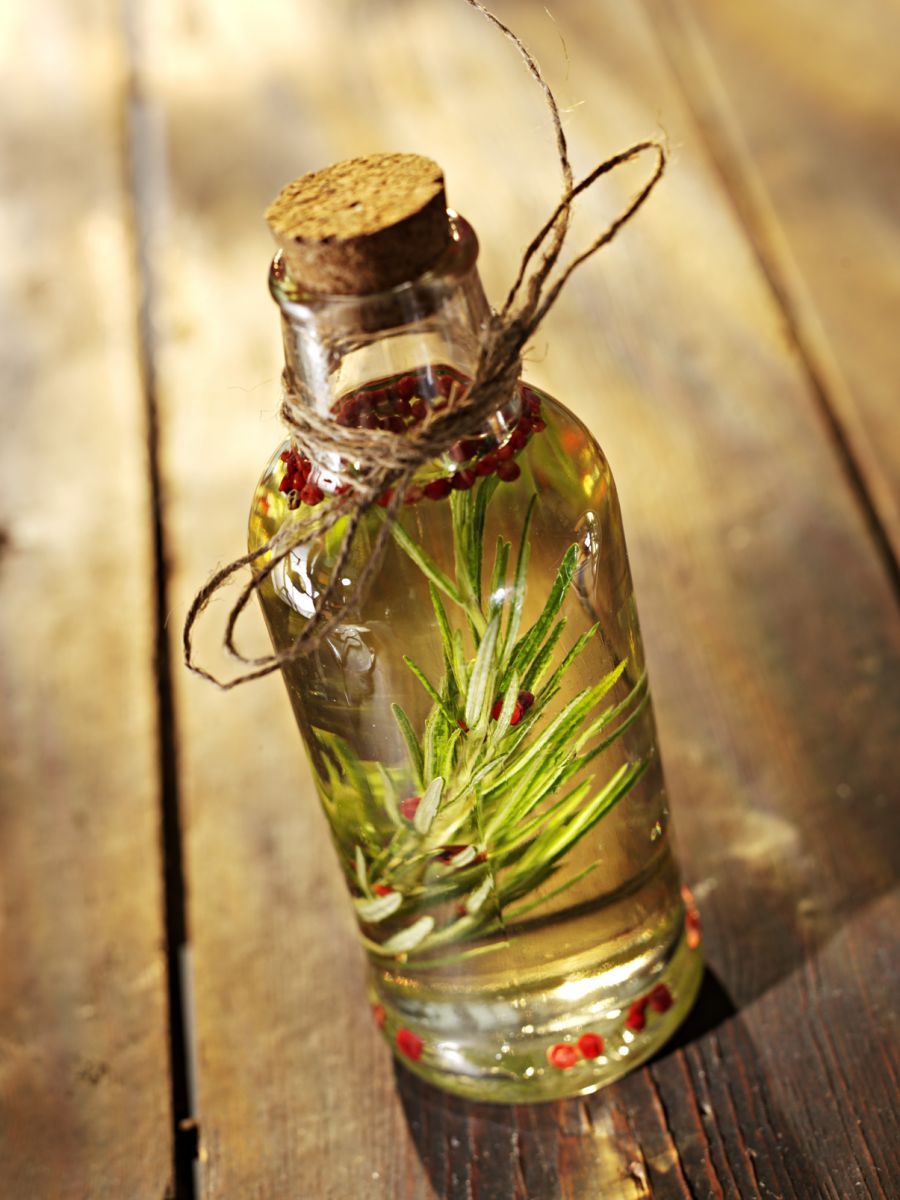
Natural Remedies: Rosemary Oil


The newest oil I have been learning and research is Rosemary Oil. I want to begin getting it into my normal usage pattern of essential oils and it has so many uses! It is awesome.  So what can Rosemary Oil help with? 
  • Anxiety
  • Hair Care
  • Indigestion
  • Insect Repellant 
  • Memory and Concentration
  • Pain Relief
  • Respiratory Problems
  • Skin Care
  •  ....and guess what? Much more!

Photo Courtesy

 Sounds like a good addition to an essential oil collection, doesn't it? So how are some ways that we can use this oil to treat some of the above issues?  Let's see!

  • Massage 2-3 drops of rosemary oil into the scalp to prevent dandruff and balding.  Essentially, rosemary stimulates hair growth helping those who are dealing with hair loss.  It is also just an excellent routine to maintain healthy hair.  You could also put it on a hairbrush and proceed by brushing your hair.  Whatever works best for you!
  • Inhale rosemary oil (as in sniff...I realized "inhale" sounds a lot more...drastic, for some reason - it may just be my current mood) to increase concentration or memory.  You could put a TINY (less than one drop) underneath your nose to keep the scent with you as one way to smell it.
  • Rub a small amount of rosemary oil (preferably diluted with something like jojoba or olive oil) on your skin to repel insects.  You could also put rosemary oil on cotton balls around the house where insects are more likely to invade to fend them off.
  • By mixing a small amount of rosemary oil with jojoba or olive oil and rubbing it on the skin, it helps to eliminate dryness and maintain healthy skin.
  • Rubbing sore muscles, cramps, etc. (often diluted with some oil) you can increase blood circulation and decrease pain.  This is also useful for the treatment or arthritis.
  • Smelling the scent of rosemary oil can also help decrease anxiety.  However, rosemary might not be quite as good for this as other oils such as lavender.  Experiment to see what works for you!
Photo Courtesy

This will definitely be the next addition to my essential oil collection.  I try to buy one a month so I don't buy too much (spend too much money).  I hope that it encourages you to find more uses for this awesome essential oil!  Happy researching!

PLEASE NOTE: These are only natural home remedies that no professional has reviewed or written.  This is not to take the place of professional medical advice, it is merely to aid you at home.  If you are concerned, it is best to call your doctor and follow instructions given by him/her.

Also, please pay particular attention during use of essential oils in regards to which oils are safe for pregnant women and children.  There are many that should not be used, although some are perfectly safe.  For other important information, please see my May 9th, 2012, post titled "Natural Remedies: Essential Oils."

Wednesday, June 20, 2012

Natural Remedies: Falling Asleep & Insomnia

First off, if you are wondering what happened to the essential oils topic...don't worry.  It will come back!  I just needed and break and I figured something different would be interesting for a few weeks.  Plus, I need some time to do some research so that I can write some better posts on essential oils.  :)

So this week, we're mixing it up and looking up natural remedies for (not) falling asleep and insomnia.  This one seems to be a little more personal...some things work for one person and others not so much.  So if you have any other ideas, feel free to share them!  Here are just a few things that help -- without taking sleeping pills. :)
  • Avoid sweets and caffeine after noon - the caffeine and sugar add to energy rushes and uneven blood sugar levels that will keep your mind racing and your body from relaxing.
  • Eat foods rich in magnesium - these foods include seeds, cashews and almonds, dark leafy green veggies, and whole grains. Magnesium is a natural sedative and a lack of magnesium can cause insomnia among other symptoms that can leave you sleepless.
  • Try the visualization relaxation technique - this involves imagining a relaxing scene.  You could also remember relaxing times in your life to lull you to sleep. 
  • If you are trying to train your body to fall asleep, melatonin can be an effective remedy.  Melatonin is a natural hormone within the body.  For a short-term period (usually thought to be 3 months or less), it is perfectly safe to take melatonin pills to help you fall asleep.  If used for longer, be sure to consult with a doctor.
  • Warm milk also has a soothing property that helps people fall asleep.  For a little extra sleepy power, add a splash of nutmeg to the milk.  
  • Prepare your body (and brain) to sleep - this means avoiding naps (if at all possible) and exposing yourself to as much natural light as possible during the day and then eliminating as much light as possible at night.  This will help your body naturally produce melatonin.
  • Don't stare at the clocks (if you can't avoid staring at them, move them) - if you stare at the clocks worrying about the insomnia, it is likely to make it worse.  
  • Get up and move around - if you can't fall asleep, move around, take a shower, get a new perspective.  Then try again.

Photo Courtesy

Wednesday, June 13, 2012

Natural Remedies: Chamomile Oil

When purchasing Chamomile Oil, there are two different types: Roman and German.  In this post I am going to simply do an overview of the chamomile oils in general.  However, when purchasing and using, keep in mind that the two have different uses and strengths.  You will need to do your own research as you go about using them.

So let's get down to it!  What can Chamomile Oil be used for?

  • Abscesses
  • Boils
  • Cuts
  • Colic
  • Insomnia
  • Migraines
  • Sensitive Skin
  • Sprains
  • Stress
  • ...and (you guessed it!) much more!
Photo Courtesy
 So what are the ways to practically use chamomile?  Here are just a few!

  • Add 2-3 drops of chamomile oil to a hot or cold compress (whichever is your preference) and place on head to relieve the symptoms of a migraine
  • Place a tissue with 2-3 drops of chamomile next to your pillow nightly in order to help you battle insomnia
  • Mix 1-2 drops of chamomile with approximately 1 teaspoon of carrier oil to moisturize and sooth sensitive skin
  • Mix 1-2 drops of chamomile with 2 teaspoons of a soft carrier oil and gently massage on a colicky infant's belly in order to reduce (and eventually eliminate) colic
  • Using the same mixture as the mixture to reduce colic can also help reduce menstrual cramps and PMS symptoms.
  • The gentle scent of chamomile is also known to reduce stress, anxiety, and all around calm the nerves and body.
There are many other uses for both Roman and German Chamomile, so there is plenty more research to be done.  PLEASE be aware that Chamomile should not be used by pregnant women, however, even though it helps during the menstrual cycle. Roman Chamomile (not German) is considered one of the safest essential oils for infants and children.

Photo Courtesy
PLEASE NOTE: These are only natural home remedies that no professional has reviewed or written.  This is not to take the place of professional medical advice, it is merely to aid you at home.  If you are concerned, it is best to call your doctor and follow instructions given by him/her.

Also, please pay particular attention during use of essential oils in regards to which oils are safe for pregnant women and children.  There are many that should not be used, although some are perfectly safe.  For other important information, please see my May 9th, 2012, post titled "Natural Remedies: Essential Oils."

Wednesday, May 30, 2012

Natural Remedies: Tea Tree Oil

A new oil I have recently discovered is Tea Tree Oil (also known as Melaleuca Oil)!  I am working on getting it into my normal usage pattern of essential oils and it has so many uses! It is awesome.  So what can Tea Tree Oil help with?  Again, a multitude of things!
  • Acne
  • Antiseptic for cuts and burns, as well as infections
  • Athlete's Foot (antifungal properties)
  • Bad Breath
  • Boils & Inflammations
  • Cleaning
  • Colds and flus (antiviral properties)
  • Dandruff, Dry AND Oily Hair, and Itchy Scalp
  • Immune System Strengthener
  • Laryngitis
  • Nail Fungus
  • Ringworm
  • Warts
  • ....and guess what? Much more!
Photo Courtesy
 Sounds like another great all-purpose essential oil, doesn't it?  I certainly think so.  One very important thing to remember, however, is NOT to swallow or ingest this oil!  Please bear that in mind as you read of some of this oil's uses! So how are some ways that we can use this oil to treat some of the above issues?  Let's see!

  • Use a dab of tea tree oil on acne to enhance healing.
  • Combine several drops of tea tree oil with jojoba oil. Then massage arthritis- or gout-affected area 2-3 times a day to reduce swelling and pain.
  • To eliminate athlete's foot, thoroughly clean and dry feet, then massage tea tree oil directly onto the skin, focusing between the toes.  Do this once every two weeks until the problem is gone.  Tea tree oil has anti-fungal properties that will kill the athlete's foot.
  • Place a warm wash cloth on boils and inflammations to pull out any infection, and then apply tea tree oil directly on site. Tea tree oil will reduce infection and enhance healing.
  • For dandruff, dry and oily hair alike, and an itchy scalp, massage drops of tea tree oil into scalp as a fast acting remedy.
  • To help eliminate laryngitis, add 3-4 drops of tea tree oil to 1 cup of water...then gargle 2-3 times daily. BE SURE NOT TO SWALLOW!
  • To rid the body of ringworm on the skin, add several drops of tea tree oil with approximately an ounce of jojoba oil and massage into skin twice daily.  Once again, tea tree oil has anti-fungal properties which will rid you of this ailment.
  • For warts, apply full strength tea tree oil directly on the irritating wart. This will not be a quick solution...instead it may take several weeks.  In the end, however, tea tree oil will dissolve the wart.
  • Combine 2 teaspoons of tea tree oil with 2 cups of water in a spray bottle for a strong, all-purpose, anti-fungal, antiseptic, anti-viral cleaning solution.  This spray will also work as a great anti-mold solution.  Tea tree oil can also be place in the washer to make your clothes smell better and work its magic.

Photo Courtesy
Doesn't it sound like the perfect addition to the essential oils home medicine and cleaning cabinet?  I hope that it encourages you to find more uses for this awesome essential oil!  Happy researching!

PLEASE NOTE: These are only natural home remedies that no professional has reviewed or written.  This is not to take the place of professional medical advice, it is merely to aid you at home.  If you are concerned, it is best to call your doctor and follow instructions given by him/her.

Also, please pay particular attention during use of essential oils in regards to which oils are safe for pregnant women and children.  There are many that should not be used, although some are perfectly safe.  For other important information, please see my May 9th, 2012, post titled "Natural Remedies: Essential Oils."

Wednesday, May 23, 2012

Natural Remedies: Lavender Oil

Last week I told you about my favorite, "cure-all" essential oil - peppermint oil.  My second favorite oil is lavender oil.  It can be used for sooo many different things and it smells...well...amazing! If you use it, I doubt you will be disappointed.

So what is lavender oil used for?  Again, like peppermint oil, to me it seems that the usage is limitless!

  • Cleaning and Disinfecting
  • Burns
  • Cuts
  • Depression
  • Earache
  • Fevers
  • Headache
  • Insect Bites
  • Insomnia
  • Menstrual Cramps
  • Muscle & Joint Pain
  • Stress
  • ...and many, many more!
Photo Courtesy
 What are some ways to use lavender oil for these uses?

My primary way to use lavender oil is in cleaning and disinfecting.  When I clean my bathroom and kitchen I mix water, vinegar, and lavender oil.  The mixture of these three make my house sparkling clean, disinfected, and smell AMAZING without using chemicals of any sort!  I also use lavender oil in my laundry wash cycles, making them smell good and also disinfecting them.  This is also great if you are using cloth diapers (which I am).  If someone is sick, simply spray or wipe doorknobs, phones, countertops, etc. with lavender oil and you have a wonderful smelling disinfectant - without even touching the lysol.  I have just begun mixing lavender in with my dish soap, as I don't have a dishwasher...I figured a little extra protection from lavender oil certainly cannot hurt!

When bitten by a mosquito or another insect, there is often pain or irritation at the site.  Simply apply lavender oil and the symptoms should, at the very least, lessen (if not disappear completely).  But if you want to try a more proactive approach as opposed to reactive, mix 40-50 drops of lavender oil with about 2 cups of water.  Keep this in a spray bottle and apply when going out to mosquito (or other insect) infested areas...it is a great working insect repellent.  This same bottle of insect repellent can be sprayed on cuts and wounds to not only diminish the pain, but disinfect the wound.

If you have tired, sore, and aching muscles, drop some lavender oil on the ailing muscles and massage into the skin.  This usually takes away the symptoms.  I find this particularly useful to use on my neck...it is so relaxing!  This can also be done to ease headaches.

A sniff of lavender oil may also help relieve depression.  It is not entirely known why, but researchers believe it triggers a change in the brain waves.  An easy way to keep that sniff of lavender near you is to apply it to your temples or to apply to your neck.  Deeply inhale and it will reach its target!

Lavender naturally relaxes you, and if you place 3-4 drops of lavender oil on your pillow, it will help lull you to sleep!

If you struggle from menstrual cramps, massage a few drops of the oil into your abdomen.  It will often relieve, if not eliminate, the pain.

Photo Courtesy

Once again, I am no doctor or expert.  But lavender is another amazing oil that can help replace the medicines in our life.  I am not saying that medicines are bad, but I do believe we use them in excess!  Do your research and you will find even more usages for lavender oil!  It will help you feel better and make you and your house smell amazing!  Happy researching!

Photo Courtesy
PLEASE NOTE: These are only natural home remedies that no professional has reviewed or written.  This is not to take the place of professional medical advice, it is merely to aid you at home.  If you are concerned, it is best to call your doctor and follow instructions given by him/her.

Also, please pay particular attention during use of essential oils in regards to which oils are safe for pregnant women and children.  There are many that should not be used, although some are perfectly safe.  For other important information, please see my May 9th, 2012, post titled "Natural Remedies: Essential Oils."

Wednesday, May 16, 2012

Natural Remedies: Peppermint Oil

A while back, I did a couple of posts on essential oils.  These oils are amazing natural remedies that can be used individually or combined with many other types.  One of the most popular essential oils is peppermint oil.

Photo Courtesy


So what is peppermint oil used for? Peppermint oil is used for so many different things including:
  • Headaches (and other places as a similar pain killer)
  • Dermatitis and Eczema
  • Inflammation and itching skin
  • Nausea
  • Parasites
  • Colic
  • Irritable Bowel Syndrome
  • Pneumonia, Bronchitis, Cough, and Asthma
  • ....and many, many more!
Photo Courtesy
How can some of these things be cured...or how can some of these symptoms be diminished?  Let me share some common ways that I or others use.

I use it most commonly for my headaches. I place 1-2 drops on my finger and rub it into my temples.  Both my husband and I get almost immediate results! The only issue with this is don't get it in or near the eyes...you'll regret it! (Trust me, I've done the testing for you!)

For stomach problems, you can use approximately 5 drops of peppermint oil rubbed on the stomach to take away pain and other symptoms.

When an injury is hurting or swollen, you can rub peppermint oil over this area to not only reduce the swelling, but also to reduce the pain.  Do not put on open wounds, however! This will also work for arthritis or tendonitis.

To improve concentration, memory, and alertness, peppermint oil (1-2 drops ONLY) can be applied directly under the nose and some say it can be placed under the tongue.  I have never tried it under my tongue (quite honestly, I am not brave enough to do so) but if you want...do your research and then try it.  And if you do try it, let me know how that goes (I am curious, I'll admit...just not brave).  However, I have tried it under my nose and it works very well!  By placing it under the nose, it also helps reduce congestion and aid my breathing when I am stuffed up or sick.

If you have itchy skin, you can rub peppermint oil on it to stop the itching.  If you do this, however, make sure the skin is not broken ...applying it to broken skin will cause more irritation and some pain. (Once again, I know from experience.)

I have also read that if you apply peppermint oil to the bottoms of a patient's feet when they are sick with the fever, the peppermint oil will help lower or even eliminate the fever.  I have not tried this one yet, but next time I have a fever (or my husband or my son does) then I do plan on trying it!

There are many other ways to use peppermint oil, and I am sure I don't even know a quarter of this amazing oil's uses!  However, even with my very limited knowledge in peppermint oil, my husband calls it my "cure all."  If someone is hurt or not feeling well, my first question often is "Have you tried peppermint oil?"  Most of the time it works, too!  So next time you are reaching for tylenol or some other form common medicine, think again, and maybe look into the usage of peppermint oil!  I am no expert, nor do I claim to be, so do your research and do not take my word as a "medical professional" - I am not one by any means! But the use of peppermint oil has really made my life closer to medicine-free while still eliminating some of the pain and ailments that I had. Happy researching!

Photo Courtesy
PLEASE NOTE: These are only natural home remedies that no professional has reviewed or written.  This is not to take the place of professional medical advice, it is merely to aid you at home.  If you are concerned, it is best to call your doctor and follow instructions given by him/her.

Also, please pay particular attention during use of essential oils in regards to which oils are safe for pregnant women and children.  There are many that should not be used, although some are perfectly safe.  For other important information, please see my May 9th, 2012, post titled "Natural Remedies: Essential Oils."

Wednesday, May 2, 2012

Natural Remedies: The Use of Probiotics


 We’ve all had those times where we don’t feel well from a yeast infection, stomach bug, or eczema.  Maybe those issues go away quickly…other times they just stick around for what seems like, well…forever.

I am not big into taking medicines, but there have been a few times I have really needed antibiotics or strong medicines to get me over an illness.  These are always great because I get better from my first ailment…but I have found that taking such strong medicines mess up my system.  In particular, my digestive system.

You see, our bodies get sick when we get too much bad bacteria…but our healthy bodies have a balance between good and bad bacteria naturally living within us.  The trouble with antibiotics is that it kills the bad bacteria AND the good bacteria.  When this good bacteria is killed off, it leaves our bodies off balance and then we don’t feel well and have a new type of “sickness.”  

Photo Courtesy
I found the one of the ways to help my body recuperate from this loss of good bacteria is the use of probiotics.  There are many things which probiotics can help remedy including:
  • Diarrhea
  • Urinary Tract Infections
  • Any type of Yeast Infection
  • Muscle Pain
  • Fatigue
  • Autoimmune Disorders
  • Allergies
  • Inflammation
  • Irritable Bowel Syndrome
  • Eczema (especially in infants and children)
  • Colds and flus
Probiotics can be found in foods, but are usually easiest found in pill form.  However, if you are looking to eat those probiotics through your diet, check out these food items:
  • Yogurt:  Look for live-cultured yogurt, particularly those that are made from goat’s milk.  In your average grocery store you can find “Activia” brand yogurt that has probiotics in it.
  • Dark Chocolate: Yes, ladies, you just found an excuse for eating dark chocolate.  Believe it or not, dark chocolate is high in probiotics.  Make sure it is a high-quality form of dark chocolate, however, or you may be getting the low end of the deal.
  • Sauerkraut: Sauerkraut is rich in live cultures and also high in vitamins A, B, C, and E.  Sauerkraut is also thought to help reduce allergies and allergy symptoms.
  • Kefir: A popular health drink in Europe, this drink comes in dairy and non-dairy forms.  It is high in probiotics and can be used as a healthy milk alternative in smoothies, sauces, and any recipes calling for milk!
  • Pickles: Surprisingly, pickles are said to have plenty of probiotics.  Supposedly, if you make your own pickles they will have an increased number of probiotics in them.
Photo Courtesy
There are many other places to find probiotics within a diet (although many of the foods are considered very unusual to our culture) but that gives you an idea that you CAN find them through eating food. 

You can also find probiotics in pill, or powder, form.  There are dozens of probiotics…all for slightly different purposes.  Just to name a few (and these are the ones I currently am taking) there are:
  • Acidophilus
  • Kyodophilus
  • Jarrowdophilus (A combination mix…similar to a multivitamin, yet with probiotics.)
  • Zymex (Also a combination mix)
Photo Courtesy
 When I am actively trying to combat getting my “good bacteria” back inside my normal flora, I take 2-3 of each type of pill every day.  When I am “stable” (or simply maintaining the healthy balance) I take 1 of each daily.  I just make sure that I have those pills with my normal vitamins in the morning!  It is really a simple process.

Have I made you curious yet?  I hope so.  There is much information out on probiotics, so it is really impossible to give you the full picture of the use of probiotics.  However, I hope this post will make you curious and that you will be able to find a place for the healthy use of probiotics in your life!  Happy researching!

Photo Courtesy
PLEASE NOTE: These are only natural home remedies that no professional has reviewed or written.  This is not to take the place of professional medical advice, it is merely to aid you at home.  If you are concerned, it is best to call your doctor and follow instructions given by him/her.